Annellie Reed’s Blueprint for Better Lives: PetCare, Fostering, and Adoption
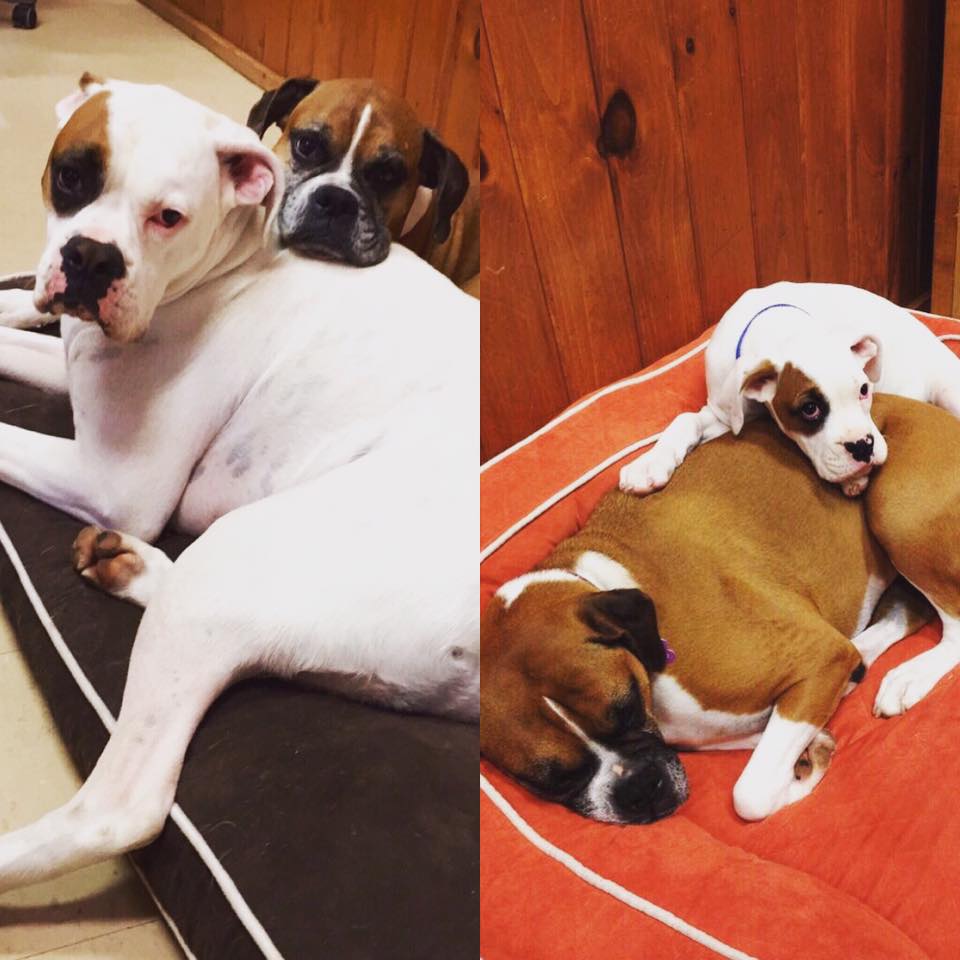
Every animal has a story, and every story deserves a second chapter. That’s the belief that drives Annellie Reed in her mission to improve animal welfare through compassionate pet care, fostering, and adoption. With decades of hands-on experience and countless success stories, Annellie has become a trusted voice in the rescue community—a voice reminding us that change begins one paw at a time.
The Core of Pet Care: More Than Just Maintenance
Good pet care is not about meeting minimum standards. It’s about setting pets up for a full, enriched life. Annellie Reed often says that caring for a pet means thinking like one. “What would make them feel safe? Seen? Happy?” she asks. “That’s where you start.”
Elements of truly compassionate pet care:
- Health and hygiene: Regular veterinary visits, dental cleanings, flea/tick prevention, and
- grooming
- Balanced diet: Food suited to age, breed, energy levels, and health conditions
- Mental stimulation: Interactive toys, training games, and new experiences
- Exercise and play: Daily walks, play sessions, or structured activities
- Emotional support: A quiet home environment, routines, and affection
Annellie encourages new pet owners to create a predictable structure early. “Animals don’t need luxury—they need consistency,” she says. “The more secure they feel, the more their personalities blossom.”
Fostering: The First Safe Haven
Fostering provides animals a crucial rest stop on their journey to forever homes. It gives them time to
heal, adjust, and be seen for who they really are—something often impossible in shelter environments.
According to Annellie Reed, fostering saves more than lives; it builds futures.
She emphasizes that fostering is accessible to almost anyone. Whether you have a small apartment or a
busy lifestyle, there’s likely a foster situation that fits. “There’s a foster pet for every home,” Annellie
says, “and a home for every foster pet.”
Foster care makes a difference by:
- Reducing euthanasia rates due to shelter overcrowding
- Helping animals recover physically and emotionally
- Allowing rescue organizations to assess behavior in a home setting
- Improving adoption rates through socialization and training
Annellie tells the story of a foster dog named Moxie—emaciated, scared of doorways, and silent. After
three months of gentle care, Moxie gained weight, confidence, and eventually, a permanent home. “That’s the power of fostering,” she says. “You don’t just feed them. You rebuild them.”
The Adoption Equation: Commitment + Compassion
Adoption is the most public-facing part of rescue, but it’s also the most personal. It’s the moment where a life is changed forever—sometimes two lives. For Annellie Reed, adoption is a sacred promise. “When
you adopt, you’re saying, ‘You belong here. You’re safe now. You’re loved.’ That promise matters.”
Annellie advises prospective adopters to be realistic, not idealistic. Every animal comes with needs. Some may take time to adjust; others may need ongoing care or training. But with preparation and patience, the bond formed is unlike any other.
Keys to successful adoption:
- Choose based on compatibility, not appearance
- Ask detailed questions about the pet’s history and temperament
- Prepare your home before bringing the pet in
- Commit to an adjustment period of at least 30–60 days
- Consider “overlooked” pets—seniors, shy animals, or bonded pairs
Annellie notes that many adopters overlook dogs and cats who aren’t instantly outgoing. “But
sometimes,” she says, “the quiet ones are just waiting for someone to see them.”
Setting Up for Success: Preparing the Home
Whether you’re fostering or adopting, environment plays a vital role in a pet’s adjustment and behavior.
Annellie Reed has helped dozens of families prepare their homes for new animals, and she believes in the power of simplicity.
Her home setup checklist includes:
- A designated quiet room or safe space with a bed and toys
- Baby gates or crates for structure and security
- Food and water in stable, non-slippery dishes
- Calming background music or white noise, especially during the first few nights
- Pet-proofing—removing toxic plants, securing cords, and blocking escape routes
Most importantly, she advises pet parents to go at the pet’s pace. “Let them come to you. Trust is built, not demanded.”
How Everyone Can Help—No Matter Their Circumstances
You don’t have to be an adopter or foster parent to support the cause. Annellie Reed believes that
community-wide engagement is the backbone of sustainable rescue work. “The smallest act of kindness
can ripple into a life saved,” she says.
Ways to get involved:
- Volunteer at shelters, adoption events, or TNR clinics
- Share adoptable animals on social media
- Sponsor spay/neuter surgeries or vet costs for rescue groups
- Create care kits for fosters (blankets, toys, treats)
Annellie frequently gives talks at schools and community centers to empower people of all ages to join
the effort. “It’s not about doing everything,” she says. “It’s about doing something.”
When It’s Hard to Say Goodbye
The emotional cost of fostering is real—especially when it comes time to say goodbye. Annellie Reed
acknowledges that many hesitate to foster because of this pain. But she reframes the goodbye as a gift.
“You gave them the safety to move forward. That’s what love looks like.”
Some foster parents write farewell letters. Others make photo albums. Annellie often lights a candle the
night after a foster leaves, symbolizing the hope that now lights their life in their forever home.
And yes, sometimes, a foster becomes family. “We call that a foster fail,” she laughs. “But really, it’s a
win—for everyone.”
Final Words from Annellie Reed
Through years of service, heartbreak, celebration, and tireless advocacy, Annellie Reed continues to
inspire others to step forward with open hearts. Her message is simple but powerful:
“You don’t need to save every animal. You just need to say yes to one.”
In pet care, fostering, and adoption, that one “yes” can change everything—for the animal, for the home
they enter, and for the person who chooses compassion over convenience.
You May Also Like

Car Leasing vs. Buying: Making the Best Financial Decision with Automotive Industry Professionals like Peter Gregory Striker

The Role of Big Data in Shaping Restaurant Menus by Experienced Restaurant Industry Experts including Ghalib Lalani